Category Archives: Technology

FINAL DAY | MD 3.0


CAMPAIGN ENDS TOMORROW


https://www.indiegogo.com/projects/micro-drone-3-0-flight-in-the-palm-of-your-hand–2#/story


DISCLAIMER – cb is not in anyway affiliated with Extreme Fliers or the INDIEGOGO campaign.

He just thinks it is a really cool concept at a great price. Model 3.0 builds on the expertise developed with Micro Drone and Micro Drone 2.0. If you have been wanting an affordable high quality toy quadcopter, this is your chance.

DISCAIMERER – cb has never actually touched, held, or flown the Micro Drone. But he has watched the videos and read the reviews.

DISCLAIMEREST – Whilst YouTube has hundreds of really cool drone videos, it is also full of videos of drone owners behaving badly and others reacting equally badly. Fly responsibly.

PS – cb finds that talking about himself in the third person is kind of weird.

Micro Drone 3.0 | 5 Days Remaining 

Several posts ago I covered the Extreme Fliers’ Indiegogo campaign for the new Micro Drone 3.0. Amazingly, over 20 thousand people have now pre-ordered over $2 million USD worth of Micro Drone 3.0  kits and accessories. Only five days remain to contribute and claim your perk (that is pre-order) at a significantly reduced price. I am personally amazed at the number of pre-orders and speed at which the $75,000 USD goal was reached and surpassed. Wow. These are just the pre-orders. The product won’t officially go into retail distribution until November – December of this year. Just in time for Christmas.


INDIEGOGO | Micro Drone 3.0

Get yours while you can …

We live in the future. Come join us.

I am unapologetically pro-science and pro-technology. I am also a futurist as my blog postings show.

However science, technology, and futurism should not and must not equate to the destruction of culture and tradition of any peoples. The current wave of protests against the construction of the Thirty Meter Telescope on the summit of Mauna Kea, while news to me, is an ongoing clash between the culture and traditions of native peoples and the interests of outsiders.

I have no opinions on the current protests, but this post is a good starting place to learn more.

Additional sources of information 

http://www.slate.com/articles/health_and_science/science/2015/05/mauna_kea_telescope_protests_scientists_need_to_reflect_on_history_and_culture.html

http://www.civilbeat.com/2015/04/peter-apo-mauna-kea-under-siege

hehiale's avatarKE KAUPU HEHI ALE

Adapted from NASA [Public domain], via Wikimedia Commons


We Live in the Future. Come Join Us.

by Bryan Kamaoli Kuwada

“Hawaiians need to stop living in the past.” We’ve all heard this before, and we’re probably going to hear it a lot in the coming days. Brave people are getting arrested up on our sacred mountain right now in frigid temperatures (there was even a blizzard there a couple of weeks back), continuing a years-long fight and engaging in a blockade to prevent the further cultural and environmental desecration of the very piko, the umbilicus, the center of our islands by the Thirty Meter Telescope. I attended an overnight vigil a few nights ago on our island to show support for these koa on theirs, and we got an update via phone from Kahoʻokahi Kanuha and Lanakila Mangauil, two of the humble young leaders of the blockade. I…

View original post 1,461 more words

SpaceX | CRS-7 Investigation Update

Via email


CRS-7 Investigation Update

On June 28, 2015, following a nominal liftoff, Falcon 9 experienced an overpressure event in the upper stage liquid oxygen tank approximately 139 seconds into flight, resulting in loss of mission. This summary represents an initial assessment, but further investigation may reveal more over time.

 
Prior to the mishap, the first stage of the vehicle, including all nine Merlin 1D engines, operated nominally; the first stage actually continued to power through the overpressure event on the second stage for several seconds following the mishap. In addition, the Dragon spacecraft not only survived the second stage event, but also continued to communicate until the vehicle dropped below the horizon and out of range.

 
SpaceX has led the investigation efforts with oversight from the FAA and participation from NASA and the U.S. Air Force. Review of the flight data proved challenging both because of the volume of data —over 3,000 telemetry channels as well as video and physical debris—and because the key events happened very quickly. 

 
From the first indication of an issue to loss of all telemetry was just 0.893 seconds. Over the last few weeks, engineering teams have spent thousands of hours going through the painstaking process of matching up data across rocket systems down to the millisecond to understand that final 0.893 seconds prior to loss of telemetry.

 
At this time, the investigation remains ongoing, as SpaceX and the investigation team continue analyzing significant amounts of data and conducting additional testing that must be completed in order to fully validate these conclusions. However, given the currently available data, we believe we have identified a potential cause.

 
Preliminary analysis suggests the overpressure event in the upper stage liquid oxygen tank was initiated by a flawed piece of support hardware (a “strut”) inside the second stage. Several hundred struts fly on every Falcon 9 vehicle, with a cumulative flight history of several thousand. The strut that we believe failed was designed and material certified to handle 10,000 lbs of force, but failed at 2,000 lbs, a five-fold difference. Detailed close-out photos of stage construction show no visible flaws or damage of any kind.

 
In the case of the CRS-7 mission, it appears that one of these supporting pieces inside the second stage failed approximately 138 seconds into flight. The pressurization system itself was performing nominally, but with the failure of this strut, the helium system integrity was breached. This caused a high pressure event inside the second stage within less than one second and the stage was no longer able to maintain its structural integrity. 

 
Despite the fact that these struts have been used on all previous Falcon 9 flights and are certified to withstand well beyond the expected loads during flight, SpaceX will no longer use these particular struts for flight applications. In addition, SpaceX will implement additional hardware quality audits throughout the vehicle to further ensure all parts received perform as expected per their certification documentation.
As noted above, these conclusions are preliminary. Our investigation is ongoing until we exonerate all other aspects of the vehicle, but at this time, we expect to return to flight this fall and fly all the customers we intended to fly in 2015 by end of year.  

 
While the CRS-7 loss is regrettable, this review process invariably will, in the end, yield a safer and more reliable launch vehicle for all of our customers, including NASA, the United States Air Force, and commercial purchasers of launch services. Critically, the vehicle will be even safer as we begin to carry U.S. astronauts to the International Space Station in 2017.

 
This message was sent from SpaceX to xxx It was sent from: emily@spacex.com, SpaceX, 1 Rocket Road, Hawthorne, CA 90250. If you would like to modify or update your subscription, please do so via the “Manage Your Subscription ” link below. For more information on SpaceX, please visit http://www.spacex.com

How We’ll Live on Mars

In the same way we can draw a line from Wernher von Braun straight to Apollo 11, when a spaceship carrying astronauts lands on Mars in 2027, we may well be able to draw a line straight to Elon Musk—because that Mars lander will most likely have the SpaceX logo on it.

Musk is arguably the most visionary entrepreneur of our time. Seven years after he quit a PhD program in applied physics at Stanford University, he sold his share of PayPal and Zip2, companies he cofounded, giving him a reported net worth of $324 million. He rolled his money into Space Exploration Technologies Corporation (SpaceX), a company he founded in 2002, then went on to cofound Tesla Motors, which is poised to revolutionize the automobile world. He is a devout environmentalist and proponent of solar energy—his Teslas can literally be driven on sunlight. In 2013, Musk proposed a unique high-speed transportation system in a vacuum tube called Hyperloop, which he put into the public domain. A Hyperloop tube running between Los Angeles and San Francisco could reduce travel time to thirty minutes.

Musk formed SpaceX just when it seemed as if NASA was slipping into irrelevance. Like von Braun, he is a transplant, in this case from South Africa and Canada. Musk, like von Braun, is a perfectionist who is convinced of his vision and determined to achieve it. And as with von Braun, no one seems to understand how serious Musk is when he says we must get to Mars. Against all advice and all odds, he has managed to do the impossible: find enough capital to finance Space Exploration Technologies and to keep it afloat and moving forward even when its first three rockets blew up. Along the way, he has raised a truly revolutionary question: Who needs NASA to get to Mars?

 
Excerpt From: Petranek, Stephen. “How We’ll Live on Mars.” TED Conferences LLC. iBooks. 

This material may be protected by copyright.

 
Check out this book on the iBooks Store: https://itun.es/us/5DUPZ.l

Also available from Amazon and all of the usual sources.


I am currently reading … and listening … to this book (via Audible.com).

iTextEditors

What do you use your iPad (or iPhone) for? 

Ever had a need to edit text files or code?

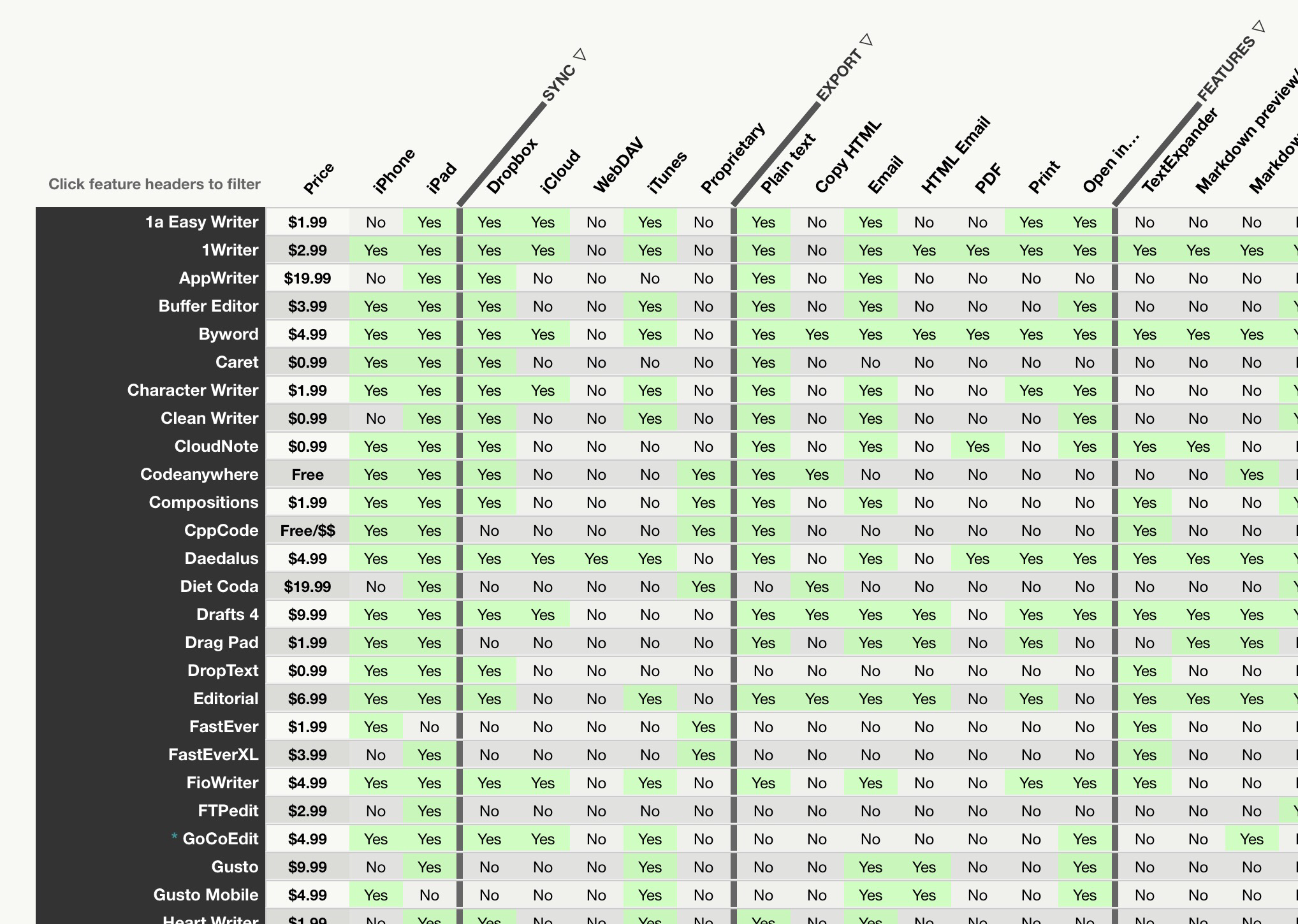
Brett Terpsta maintains a list of iOS text editors and features that is nothing short of phenomenal. Titled iTextEditors, this webpage lists each text editing app in a dynamically filterable matrix of features.


Touching (or clicking on) the app name opens a pop-up window with additional information not captured by the feature matrix. Touching the More info … link takes you to a review of the app.


I am currently using his page to decide which text editor(s) might be worth adding to my stable of apps. 🙂

http://brettterpstra.com/ios-text-editors/

Rocket Man

The Summer of Reblogs Series


Rocket Man – a short story
Copyright © 2014 by Christian Bergman, All rights reserved.

All people, places, and events are fictional … except when they aren’t.


Mars ain’t the kind of place to raise your kids. In fact, it’s cold as hell. – Elton John, Bernie Taupin (1972)


Rocket Man, burning out his fuse, out here alone.” I recall the lyrics of the ancient Elton John song that has become the anthem of our profession, as I prepare for our deorbit burn. “Pressurizing the primary fuel loop … now,” I call out to my copilot.

“Roger that. Pressures coming up nicely,” Sam replies. “Prepping the igniters. I have New Masdar on the com. They have us in the flyway.”

“Roger that. Double-check the voltage on main B bus. I don’t like what I’m seeing.”

“It’s on the low-end of nominal, but within tolerance. It should get us home.”

“Okay, bringing reserve batteries online. Request NAV fix.”

“Patching in NAV from New Masdar”

“Got it. Ten minutes to ignition,” I confirm. “Better notify our passengers.”

Continue reading … 

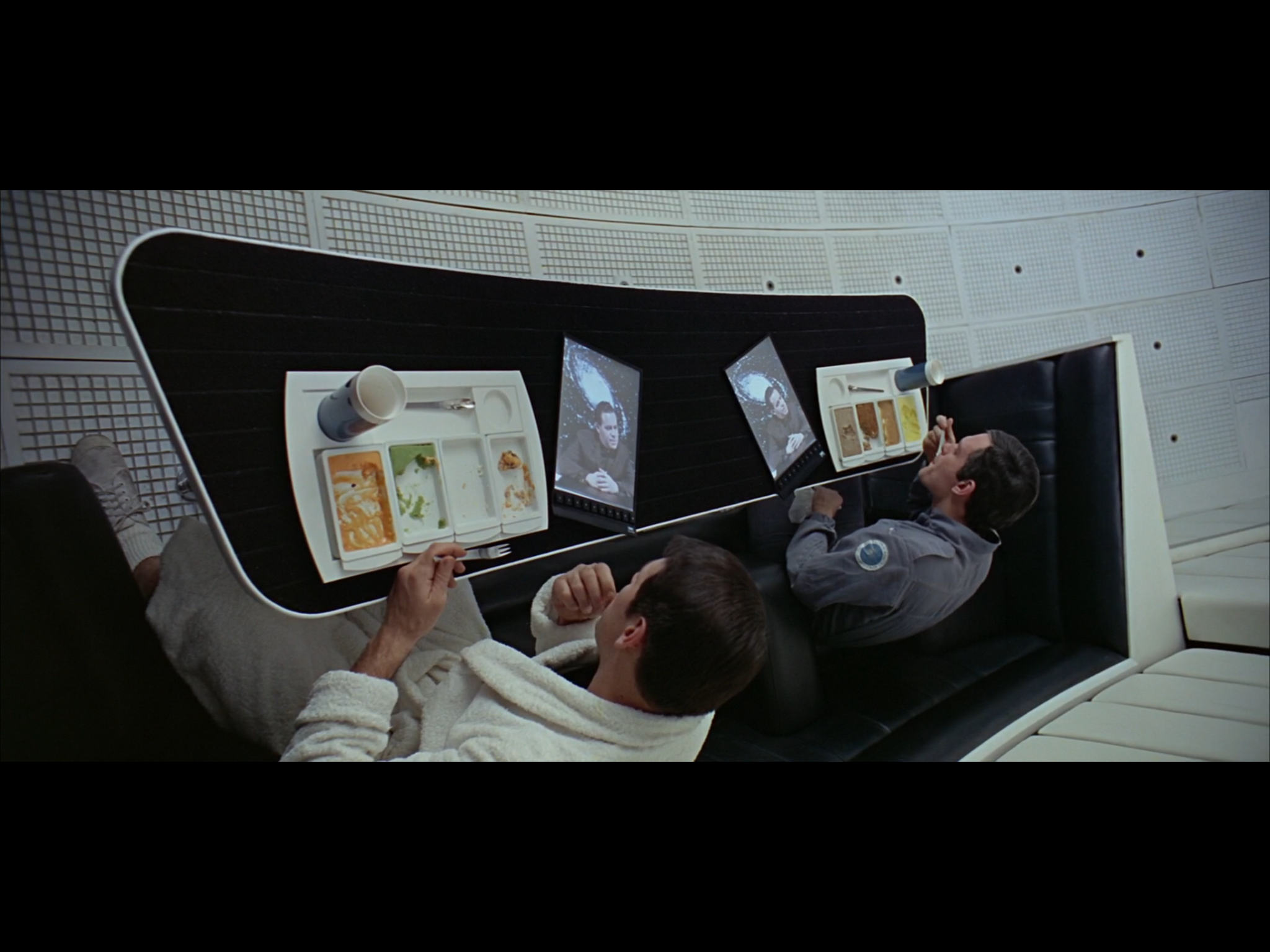
Giant iPad Spotted

Numerous sites are reporting that Apple may release a giant iPad dubbed the iPad Pro.

Contrafactual.com has just received these images of the new giant iPad being tested by NASA, despite Apple’s attempts at secrecy.  
  
  
Contrafactual.com can neither confirm or deny the validity of these photos.

20RESB Stage 2

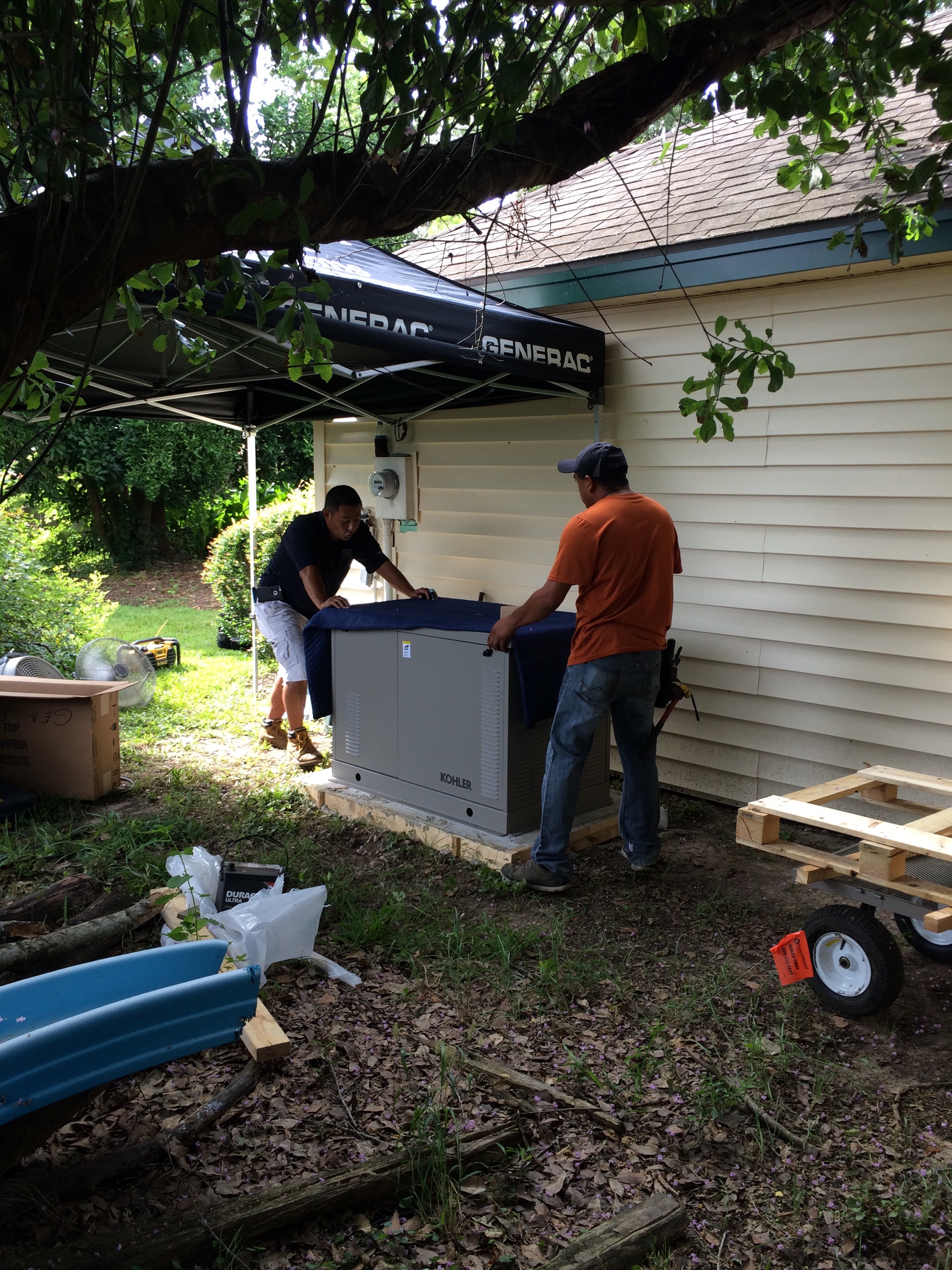
Last week they poured the slab

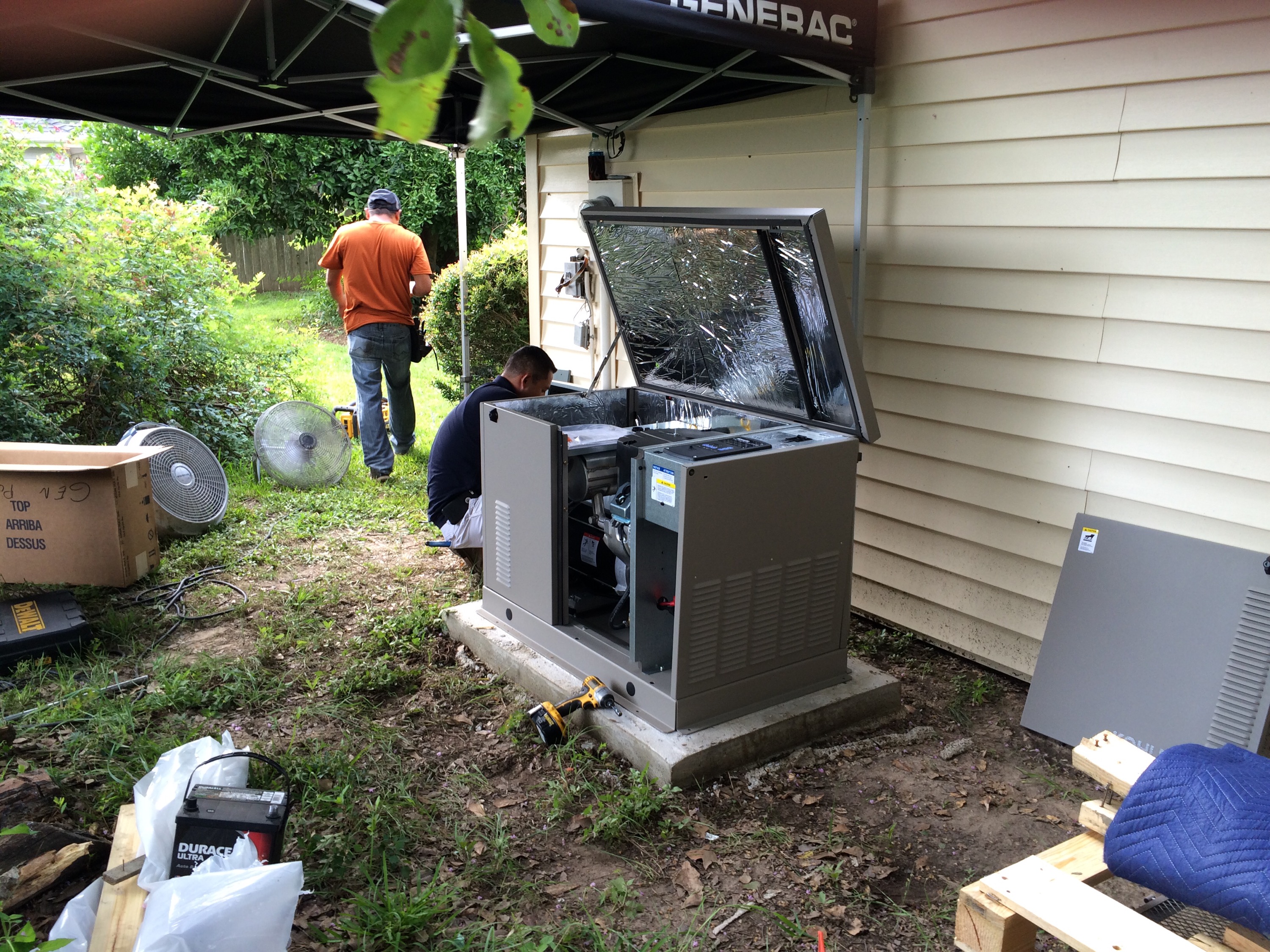
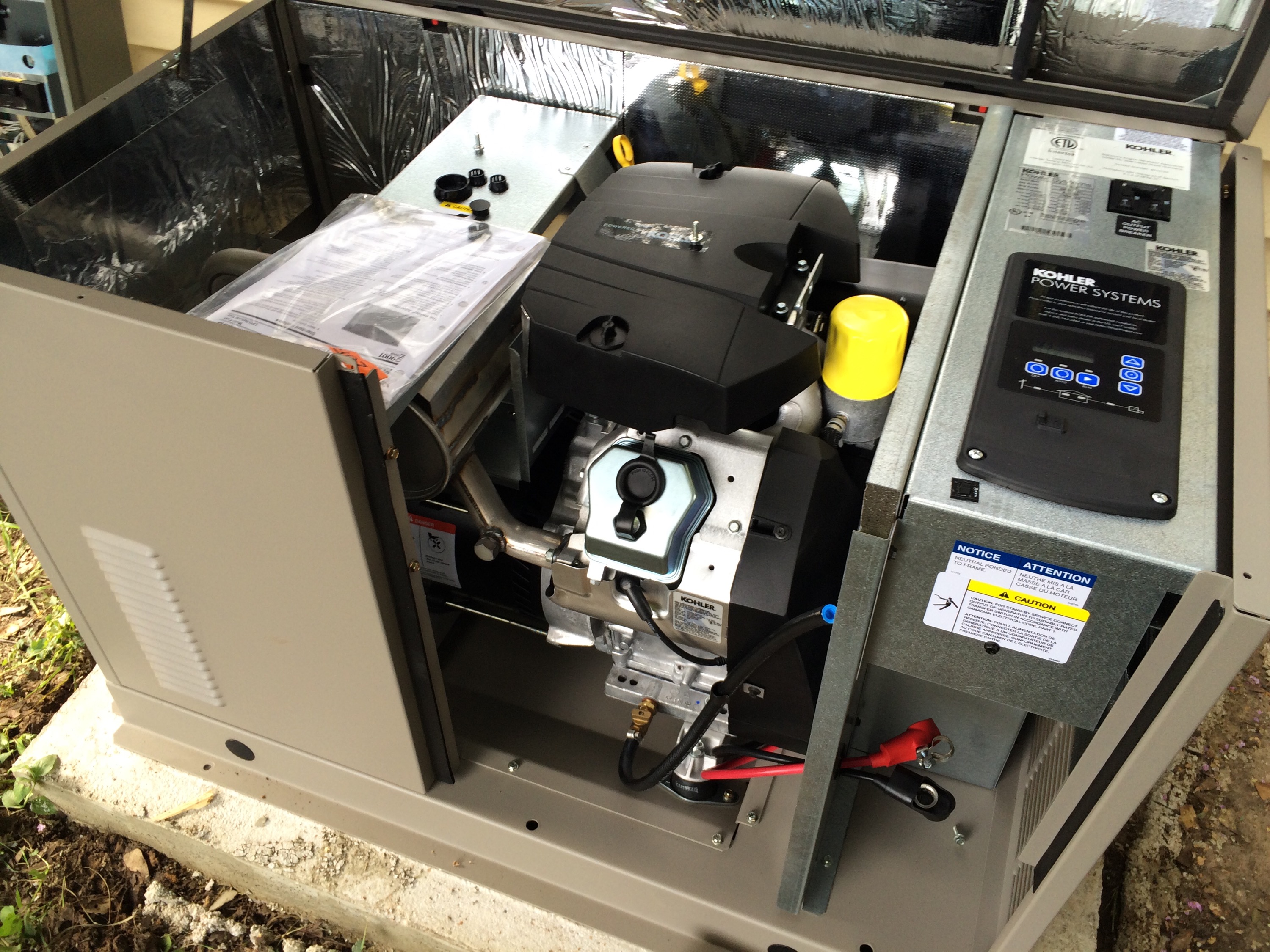
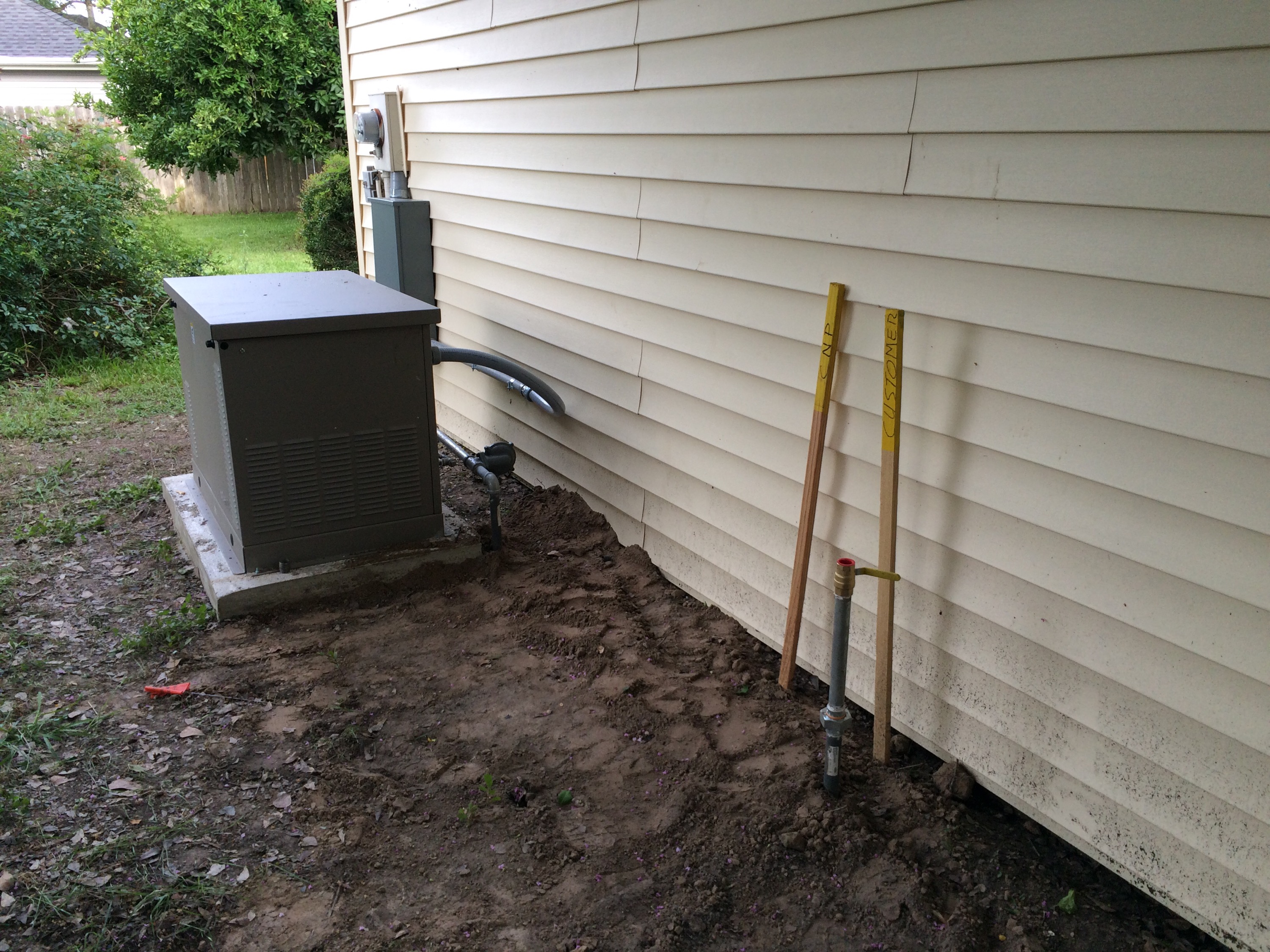
This week they actually installed the generator and associated electrical connections.

Last Week


This Week


Next week the gas company will run a second natural gas line with second meter to the generator, after which the final installation, testing, and handover will be completed. Barring anything that knocks out the gas mains, I will have electric power regardless of hurricane, ice storm, grid failure, or Zombie Apocalypse.

The purchase of this standby generator is somewhere between an extravagance and necessity. It is comforting to know that I won’t loose power in all but the most extreme system failures. The Mrs has Multiple Sclerosis and no tolerance for the summer heat of South Texas. A day or two without air conditioning would precipitate a medical emergency. It is an insurance policy that I don’t mind having to use. My neighbors are already trying to figure out how to run extension cords to my house. 🙂

Happy Aniversary

To me …


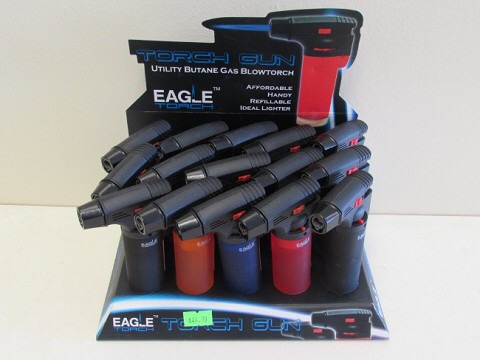
EAGLE TORCH Lighter

When I bought my gas station coffee this morning, I also made an impulse buy of the EAGLE TORCH lighter.


I don’t smoke, but I have always wanted one of these things … and there it was just begging to take it home with me. It was like – seven bucks. When I lived in Colorado and had a much more active outdoor life, I always carried a lighter … sometimes the ability to start a fire is the difference between life and death. This little guy looks like the perfect thing to carry in my daily bag and would be an excellent edition to a bugout bag. Review below (not mine, but to the point).


I may need to pick up a few more of these …

SpaceX Pad Abort Wide Angle

Via Zero-G News


Mathew Travis has done an excellent job of covering this. Check out his complete coverage at

http://www.zerognews.com/2015/05/07/spacex-successfully-completes-crew-dragon-pad-abort-test/

If you watched the previous post, ABORT ABORT ABORT, you should have noticed one of the reasons that SpaceX will be most cost effective (cheaper) commercial space carrier. The Crew Dragon capsule contains the SuperDraco thrusters used both for abort and terrestrial landing. Every other manned system to date with the exception of the Space Shuttle used or uses a disposable abort escape tower. Look at the tower used for Orion. What a monster … and it is thrown away with very launch!

Will the 3rd time be the charm?

THE WHY AND HOW OF LANDING ROCKETS (SpaceX)

http://www.spacex.com/news/2015/06/24/why-and-how-landing-rockets

Even given everything we’ve learned, the odds of succeeding on our third attempt to land on a drone ship (a new one named “Of Course I Still Love You”) are uncertain, but tune in here this Sunday as we try to get one step closer toward a fully and rapidly reusable rocket.

Stay tuned …

Out and about

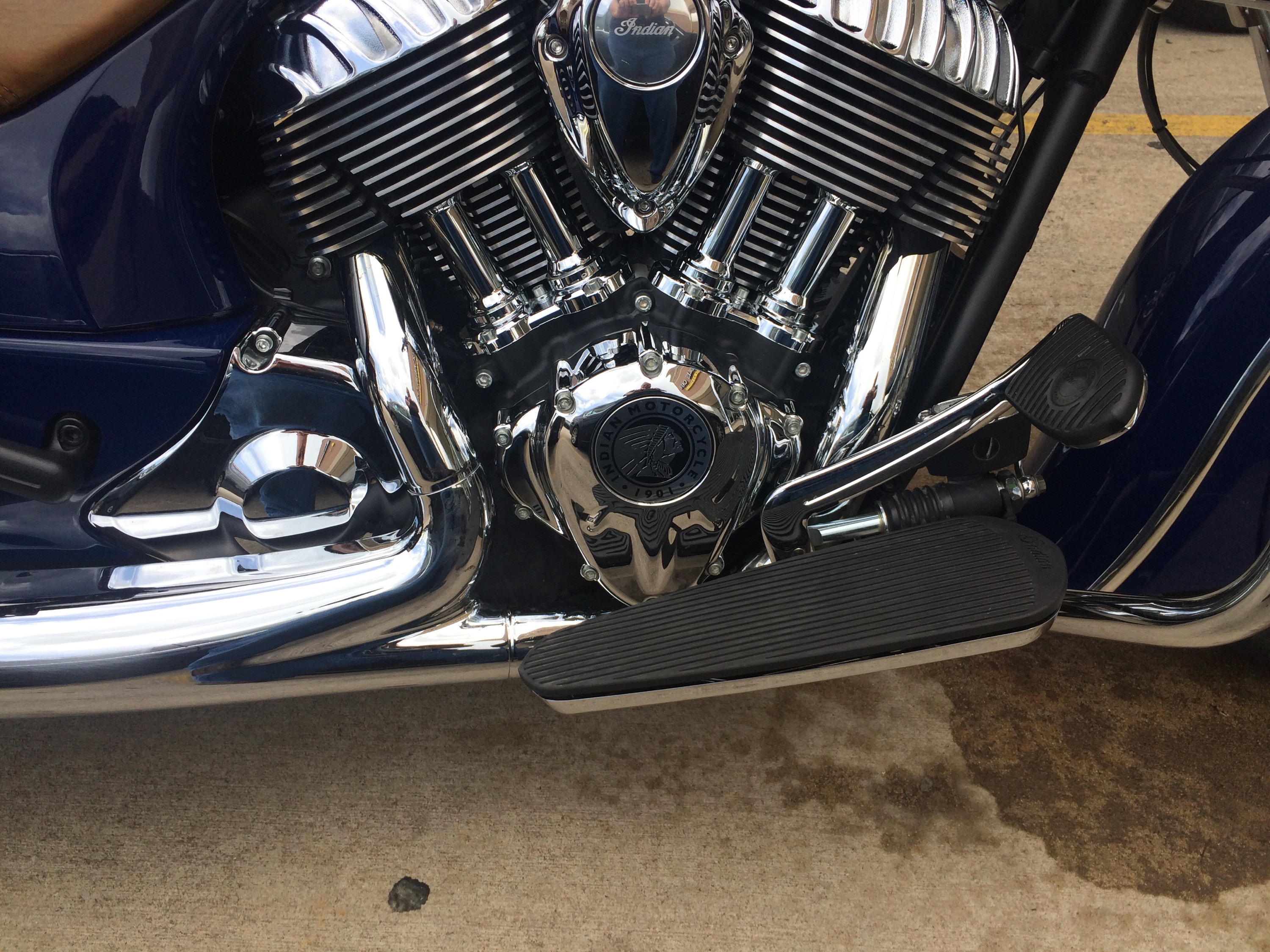
I admit right up front, I am not man enough to own a motorbike*. But that does not stop me from appreciating them.

Saw this while out to breakfast on Saturday.


* My wife won’t let me get one. When we were newlyweds she was an ICU nurse. As such she saw the results of one too many grisly single-vehicle motorcycle accidents. Belt sanders have nothing on rough payment at speed.

Monolithic Memory

I am neither a software engineer, hardware engineer, nor electrical engineer, but I did stay at a Holiday Inn Express last night (obscure, questionably humorous ad reference). Technically I am a Data Wrangler, an Oracle DBA (Database Administrator), a SysAdmin (Systems Adminstrator), a troubleshooter, yada, yada, yada. I have a keen interest in all things technological. I am a geek (if that is a positive accolade) and was a nerd (a negative accolade) as a kid. I have some cred.  

I present for your consideration that monolithic memory is the holy grail of computing and within our grasp in the next few years. This is good news for consumers, not so much for old guard industries.

Consider the modern computer. By computer, I include desktops, laptops, servers, tablets, phablets, smart phones, whatever … running any operating system including but not limited to Windows, Linux, Unix, MacOS, iOS, WatchOS, Android, DOS … you get the idea. Regardless of manufacturer, these systems are all remarkably similar. They each have one or more CPUs (Central Processing Units), each CPU having one or more levels of dedicated ultra-high-speed memory called cache. 

Next, they each have a shared block of high-speed RAM (Random Access Memory) which is dynamic (hence DRAM). DRAM is fast. But that speed comes at a price. All data is lost when power is turned off. Recall the time you forgot to save that epic document or spreadsheet and the power went out? Yeah, that drawback.

Finally there is storage, usually in the form of a hard disk drive (HDD), although more and more computers use some form of solid state or flash storage (SSD for Solid State Drive). Mobile devices make heavy use of flash storage. Storage is persistent, but slow. Historical forms of storage include floppy disks, magnetic tape, and even paper punch tape and punch cards. Slow, but persistent.

The term memory is used contextually to describe each of these “data buckets”. The statement “I have 16 gig of memory”, is ambiguous without context. Do you have 16 GB (gigabytes) of RAM in your laptop? Or 16 GB of storage on your iPad? The former is a lot unless you are a gamer or scientist. The later is woefully small especially if you want to store a video or audio collection. RAM is currently supplied in tens of GB and usually in powers of 2: 1, 2, 4, 8, 16, 32, 64, 128 GB. Storage on the other hand is now commonly hundreds and thousands of GB.

Modern computer systems have evolved the subsystems necessary to route data between the CPU, cache, dynamic RAM, and persistent storage. These subsystems are comprised of both hardware (controllers, data busses, I/O channels, etc.) and software (drivers, modules, packages, etc). Data flow is a well choreographed dance between low, medium, and high-speed subsystems and pipelines. A true monolithic memory system would eliminate the need for all of this. No more need for swap or page files. No more paging of memory out to disk. No more “saving” work out to disk. No more disk.

In the previous post, I addressed claims by Nantero that their carbon-nanotube-based NRAM offers the tantalizing possibility of lower power, higher data density, faster response, and lower cost than all other types of conventional memory. NRAM has the potential to provide the basis for true monolithic memory. But it won’t happen overnight. Even assuming that NRAM (or a competing technology) is up to the task, no existing operating system or hardware platform is up to the task. A complete redesign of memory management of both the hardware and operating system would be required. 

As a consumer, this is great news. All consumer computer devices will become like smart phones and tablets from the user’s point of view. Always on, instant “save”, super fast. Except that now the amount of storage will be many times greater. Power consumption will be primarily a factor of display efficiency. Speed and power will be better in every way. Prices will fall as capability increases. The consumer wins all the way around.

Not everyone will be a winner. Old school RAM, flash, and hard drive manufactures will have an uphill fight to remain relevant. Their investors will suffer as the share value of these companies fall. Mergers and acquisitions will contract the industry like a collapsing blackhole. History repeats. How many steam locomotive or buggy whip manufactures can you name?

Nantero NRAM 

 The future will be tubular …


This will change the world of consumer, commercial, and military electronics forever. Low power, ultrafast, high-density persistent storage – capable of operation at high temperatures. Mark my words … this is the future … and it does not appear to be very far off. 

I will be back in a future post with my thoughts on Nantero, NRAM, and carbon nano-tube memory. Until then take a look at what others have to say (be sure to read the “comments” sections to get the best depth of understanding).

http//www.computerworld.com/article/2929471/emerging-technology/fab-plants-are-now-making-superfast-carbon-nanotube-memory.html

http://www.anandtech.com/show/9314/nantero-exits-stealth-using-carbon-nanotubes-for-nonvolatile-memory-with-dram-performance-unlimited-endurance

http://www.theregister.co.uk/2015/06/12/carbon_nanotube_memory_tech_gets_great_big_cash_dollop/

http://techreport.com/news/28377/nanotube-infused-nram-promises-dram-speeds-with-unlimited-endurance

  
http://nantero.com


PS: I sure hope this doesn’t turn out like GTAT

The Martian | Andy Weir


OK 

I had my joke

Time to be serious.

This is one fine book. I am listening to it on audio book from Audible.com


Eleven hours

Unabridged

I like audio books. Easy on the eyes. Accessible while driving to and from work. Multi-tasking friendly. 

Whether in hardcover, paperback, eBook, iBook, or audio book … READ THIS BOOK. Unless of course you hate science fiction. (Why would anyone hate science fiction?)

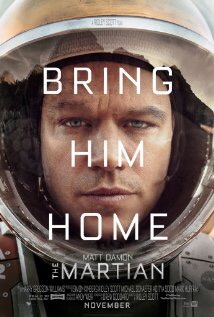
The Martian is in the same class as Apollo 13Castaway, and Gravity. It is a satisfying survival/rescue story replete with lots of techie goodness, human compassion, bureaucratic assholery, and will-to-survive. Prior to seeing the movie trailer, I was unaware of this book. The movie, directed by Ridley Scott and starring Matt Damon is looking better and better.

http://andyweirauthor.com

http://andyweirauthor.com/books/the-martian-hc


A day without …


http://www.thinkgeek.com/product/abd4/   (out of stock)


https://www.etsy.com/listing/176132788/a-day-without-fusion-is-like-a-day  (text only)


Which reminds me of a story …

The astronomy professor just completed her lecture on the life cycle of the sun and had commented that the latest theories suggested that the Sun would run out of hydrogen in 2.8 billion years, killing all life on Earth.

A hand frantically waved in the back of the lecture hall.

“Question?” the professor asked.

“How much longer until the sun runs out of hydrogen?”

“Approximately 3 billion years.”


“Oh thank god,” the student uttered in obvious relief. “I thought you said million years.”